
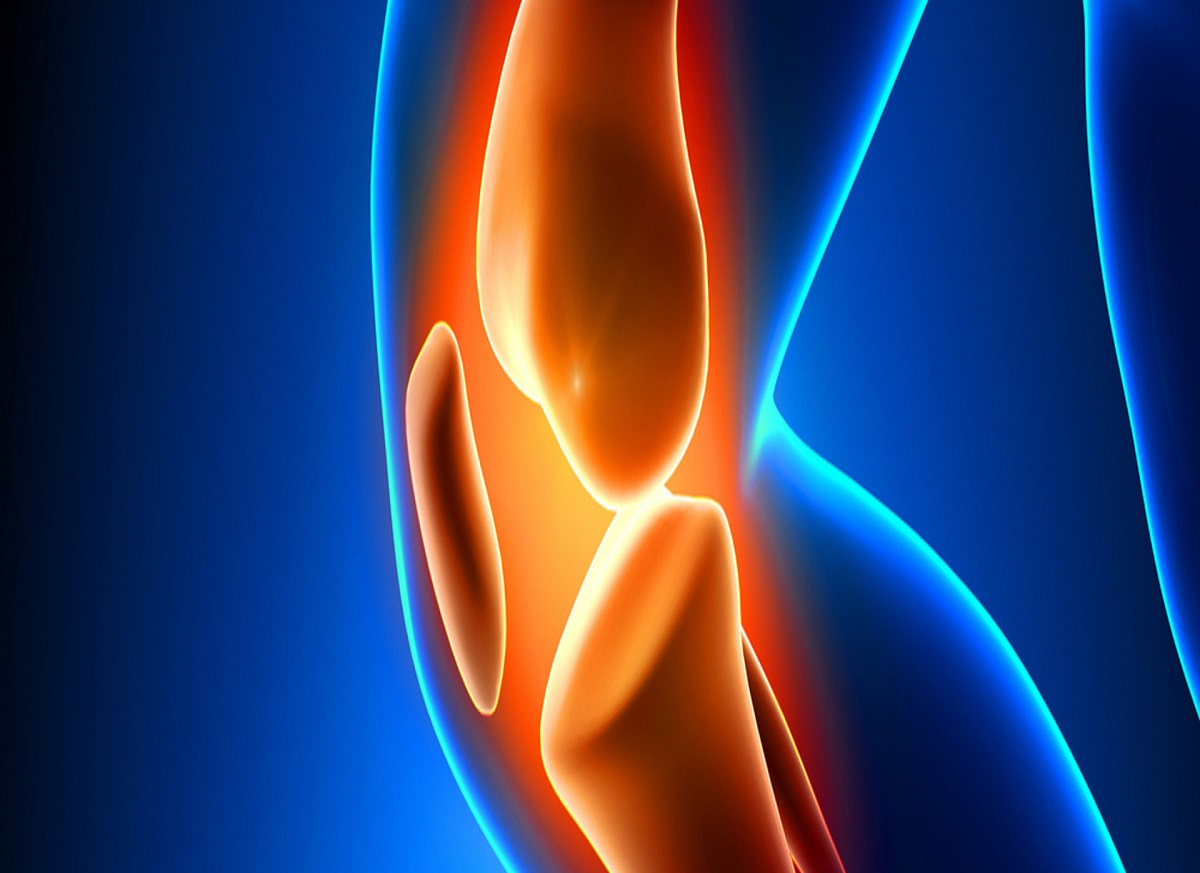
Risks of total knee replacement include blood clots in the legs that can travel to the lungs (pulmonary embolism). Pulmonary embolism can cause shortness of breath, chest pain, and even shock. Other risks include urinary tract infection, nausea and vomiting (usually related to pain medication), chronic knee pain and stiffness, bleeding into the knee joint, nerve damage, blood vessel injury, and infection of the knee which can require reoperation. Furthermore, the […]

Before surgery, the joints adjacent to the defective knee (hip and ankle) are carefully evaluated. This is important to ensure optimal outcome and recovery from the surgery. Replacing a knee joint that is adjacent to a severely damaged joint may not yield significant improvement in function as the nearby joint may become more painful if […]

A total knee replacement generally requires between one and a half to three hours of operative time. After surgery, patients are taken to a recovery room, where vital organs are frequently monitored. When stabilized, patients are returned to their hospital room. Passage of urine can be difficult in the immediate postoperative period, and this condition […]

A total knee replacement is a surgical process by which an ailing knee joint is substituted with artificial materials. The knee is placed on a hinge joint due to which we are all able to move and it also acts as a common point of connection between the thigh as well as the lower leg. Due to various reasons, […]

Infection: A small number of people can develop an infection with a total hip replacement. This complication can require further surgery to remove the prosthetic components and clean out the joint along with a course of antibiotics lasting six to eight weeks. Deep venous thrombosis (DVT): A blood clot (thrombosis) may form in veins of patient’s pelvis, thigh, […]